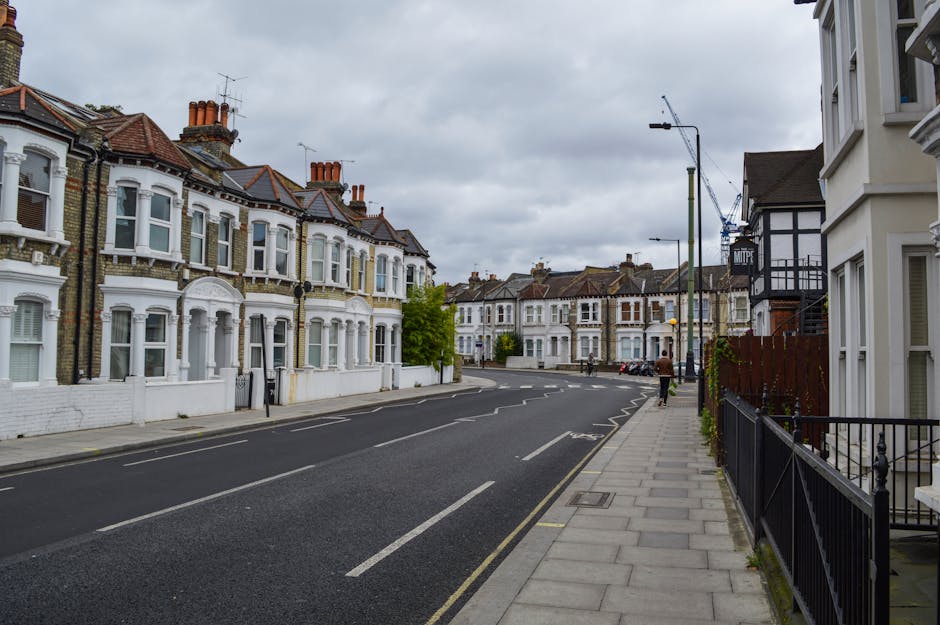
Avoiding Access Charges on Walworth Road Removals
Posted on 26/06/2026
Avoiding Access Charges on Walworth Road Removals: A Practical Guide to Smarter, Cheaper Moving
If you are planning a move on or around Walworth Road, the price you were quoted can change fast once access gets involved. A van may need to park farther away than expected, a lift might be too small, or a staircase can turn a tidy job into a slower, pricier one. That is why Avoiding Access Charges on Walworth Road Removals matters so much: it is not just about saving money, it is about planning a move that stays calm, efficient, and fair from the start.
Walworth Road has its own rhythm. Busy kerbs, tight side streets, controlled parking, flats above shops, awkward loading points, and the odd "this looked easier on Google Maps" moment. In other words, access is rarely an afterthought. This guide breaks down what access charges usually mean, how they happen, and what you can do to prevent them before moving day arrives. You will also find a checklist, a comparison table, and a realistic example based on the sort of move people make here every week.
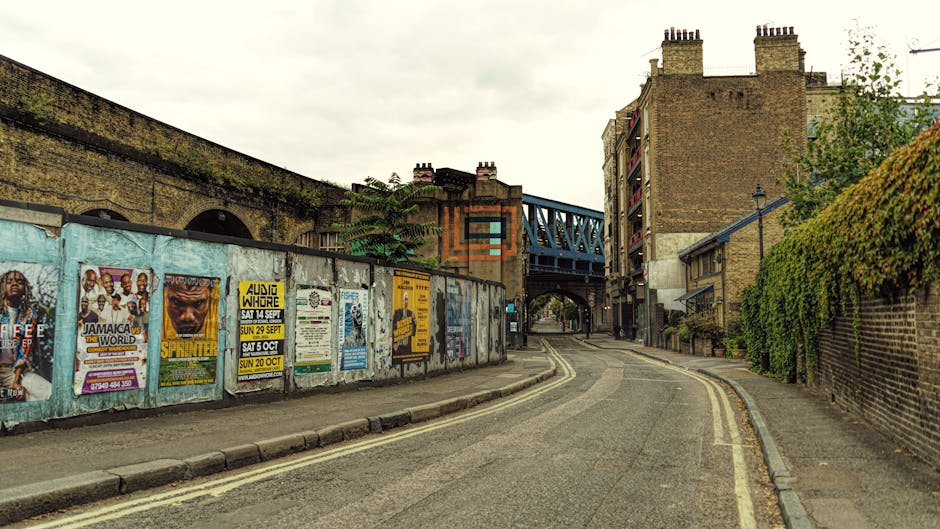
Why Avoiding Access Charges on Walworth Road Removals Matters
Access charges are one of those moving costs that can feel minor at first and then suddenly become very noticeable. They are usually added when the removal team faces extra difficulty getting to, loading from, or unloading at a property. That might mean carrying furniture a long distance, dealing with stairs, waiting for parking, or navigating restrictions that were not clear at quotation stage.
On Walworth Road, those complications are common enough to deserve proper attention. This is not a criticism of the area; it is simply the reality of moving in a busy London setting. If you are moving from a top-floor flat above a parade of shops, or into one of the nearby estates with limited parking, access planning can make the difference between a smooth, predictable move and a day full of little surprises. And nobody wants surprises where the bill is involved.
To be fair, access charges are not always avoidable. Sometimes they reflect real extra work. But many of them can be reduced, or even prevented, with better preparation and clearer communication. The goal is not to outsmart the removals team. The goal is to create the right plan so everyone knows what to expect.
If you are already sorting the rest of the move, it helps to get the broader picture too. For example, a good decluttering routine before a big move often makes access problems less severe, simply because fewer boxes and bulky items need to be carried through tight spaces.
How Avoiding Access Charges on Walworth Road Removals Works
At its simplest, avoiding access charges means reducing the time, distance, and difficulty involved in physically moving your items between the vehicle and your property. Removal companies usually assess access based on practical conditions, not just the postcode. A short move can still be awkward if the van cannot get close, while a longer move can be easy if the loading point is clear and the route is direct.
Access is typically influenced by a few things:
- Parking distance from the entrance
- Number of stairs or lift availability
- Narrow corridors, tight doorways, or awkward turns
- Loading restrictions and limited stopping time
- Heavy or specialist items such as pianos, safes, or large wardrobes
- Property layout, including split-level homes or basement flats
In practical terms, a mover will look at how long it may take to carry furniture, whether the van can park safely, and whether extra staff or equipment might be needed. That is why accurate pre-move information is so important. If you say the property is "easy access" but the van ends up 50 metres away with three flights of stairs, the estimate may need adjusting. Fair enough, really.
When the move involves flats, especially on upper floors, it is worth comparing how access can affect the total job. A helpful local reference point is moving in SE17 flats, where lift access, stairwells, and estate layouts can all change the moving rhythm in a very real way.
One useful way to think about access charges is that they are often a response to labour time and effort, not just distance. If access slows the team down, the quote may need to reflect that. The smartest way to avoid extras is to remove uncertainty before the van arrives.
Key Benefits and Practical Advantages
Saving money is the obvious benefit, but it is only the first layer. Careful access planning brings several practical advantages that you will notice on the day itself.
- More predictable pricing because there are fewer surprise add-ons
- Faster loading and unloading, which can make the whole move feel less stressful
- Lower risk of delays caused by parking, waiting, or repositioning the van
- Reduced handling of heavy items over long distances
- Less chance of damage because furniture is moved in a more controlled way
- Better communication between you and the removals team
There is also a quieter benefit: peace of mind. A move can already feel like a lot, especially if you are juggling work, keys, tenants, children, or a same-day handover. When access is planned properly, you are not standing by the window watching the clock and wondering whether the team has been delayed by parking. You can breathe a bit easier.
For heavier or more awkward items, access planning becomes even more valuable. If you are moving a sofa, bed frame, or large cabinet, the route matters. In that context, easier bed and mattress moves are often less about strength and more about planning the path properly.
Who This Is For and When It Makes Sense
Almost anyone moving in this part of London can benefit from thinking about access early, but it matters most for a few groups.
People moving from flats or upper floors
Stairs, narrow landings, and shared entrances can create a lot of extra carrying time. If your building has no lift, or the lift is small and slow, you should expect access to play a part in the quote.
Residents on busy roads or controlled parking streets
Walworth Road and nearby roads often require careful parking logic. Even when the distance from van to door is not huge, finding a legal and safe loading position can take time.
Families with bulky furniture
If you are moving wardrobes, sofas, or appliances, the team may need more than one person to carry them safely. A small access issue can become a major handling issue.
Students and short-term renters
Student moves are often quick and budget-conscious, but they still run into access issues, especially in shared buildings or converted houses. For smaller, time-sensitive moves, looking at student removals in Walworth can help you think through the practical side before booking.
Office movers and small businesses
Office equipment, filing cabinets, IT gear, and awkward furniture all slow things down when access is poor. A few minutes' delay can snowball if the handover window is tight.
In our experience, the best time to think about access is not the day before the move. It is the moment you know the address. That sounds obvious, maybe, but people still leave it late all the time.
Step-by-Step Guidance
If you want to reduce access charges properly, use a structured approach rather than guessing. The more specific your information, the better your quote is likely to be.
- Check the route from van to door. Measure the walking distance if you can. Include alleys, gates, internal courtyards, and lifts.
- Look at parking realistically. Ask yourself where a van could stop safely and legally. If you are unsure, plan for the worst-case scenario rather than the best.
- List the physical obstacles. Stairs, narrow hallways, low ceilings, steep ramps, heavy doors, and awkward corners all matter.
- Be honest about item size. A "medium sofa" and a true three-seater can mean very different handling requirements. Same goes for wardrobes and mattresses.
- Share building details early. Let the removals company know about concierge desks, entry codes, lift bookings, and loading bays.
- Prepare furniture for moving day. Disassemble where possible, remove drawers, and protect items so they are easier to carry.
- Clear the route inside the property. Shoes, rugs, planters, and loose clutter can slow people down and make carrying riskier.
- Consider timing. Busy hours can increase parking difficulty. If you can move earlier in the day, or at a quieter time, access may be easier.
- Confirm assumptions in writing. If the quote is based on certain access conditions, make sure those conditions are clearly agreed.
One small but useful detail: take photos or short videos of the entrance, stairwell, parking area, and any tricky corners. It is a tiny effort, but it often saves a lot of back-and-forth later.
If packing is still underway, remember that smarter packing can also reduce how many trips the crew has to make. The dos and don'ts of packing for a smooth move are worth revisiting if you want fewer awkward loads and less rehandling.
Expert Tips for Better Results
Here is where the practical detail really pays off. These are the kinds of small decisions that can make a visible difference on Walworth Road and in the surrounding streets.
- Use the closest legal loading point, not the nearest one. That distinction matters more than people think.
- Book parking or permissions early if your building or street setup requires it. Leaving it until the day itself is asking for trouble.
- Label heavy or awkward items clearly so they are handled in the right order and do not slow down the whole team later.
- Keep the access path dry and clear if there has been rain. Wet stairs and slippery mats are a nuisance, and a safety risk.
- Separate the essentials so nobody has to hunt for keys, documents, chargers, or bedding while the van is waiting.
- Ask about vehicle size in relation to the street. A larger van may reduce trips but may not suit the loading conditions outside every property.
- Plan for the worst item first. If the sofa will not fit easily, everything else needs to be arranged around that, not the other way round.
Sometimes people focus so much on the quote that they forget the route. Then move day arrives, the building buzzer takes a while, and suddenly the clock feels loud. If that sounds familiar, you are not alone. It happens more often than people admit.
For awkward or high-value items, specialist handling can help prevent extra difficulty. If your move includes a piano, for example, it is wise to read the risks of DIY piano moving and the benefits of pros before deciding how to manage access and lifting.

Common Mistakes to Avoid
Most access-charge problems come from simple oversights, not dramatic failures. That is actually good news, because simple oversights are fixable.
- Underestimating walking distance from the van to the property entrance
- Forgetting about stairs inside the building or at the entrance
- Assuming parking will be easy because it was fine on a previous visit
- Not mentioning basement access, split levels, or internal courtyards
- Leaving furniture assembled when it could have been taken apart
- Ignoring loading restrictions or time-limited bays
- Being vague about what is being moved and how bulky it is
One of the biggest mistakes is thinking, "It will probably be fine on the day." Maybe it will. But access planning is one of those jobs where optimism is not a strategy. Better to be slightly over-prepared than to pay more because something basic was missed.
Another common issue is failing to check the building layout in advance. If you are moving into or out of a flat, especially in a busy London setting, something as small as a narrow communal corridor can change the pace of the whole move. That is exactly why guides like moving on Walworth Road with narrow streets and smart tips are so useful in practice.
Tools, Resources and Recommendations
You do not need specialist equipment to reduce access problems, but a few practical tools can help a lot.
- Measuring tape for checking doorway widths and stair clearance
- Phone camera for photographing entrances, parking spots, and difficult turns
- Simple floor plan sketch if your home has a tricky layout
- Labels and marker pens to organise items before the team arrives
- Furniture blankets and straps to make handling safer and more controlled
- Box trolleys or sack trucks where the property layout allows them
On the preparation side, useful reading can make the process smoother. If you want to avoid wasting time deciding what to take, store, or donate, a good starting point is how to declutter before a big move. It often reduces both the physical load and the access pressure.
For people who are moving sofa sets or other large furniture, furniture-specific planning matters as well. A sensible companion read is furniture removals in Walworth, because the shape and size of the items often determine the access challenge more than the distance itself.
If you are still comparing moving support, reviewing the broader services overview can help you match the move type to the right level of help. Not every move needs the same setup, and that is fine.
Law, Compliance, Standards, or Best Practice
There are a few practical and legal considerations around access that are worth keeping in mind. I will keep this plain-English, because the jargon can get a bit much.
First, parking and loading must be handled lawfully and safely. If a removals vehicle stops in a way that breaches local parking rules, that can create fines, delays, or disputes. It may also make the move less safe for everyone involved. Good planning should never rely on "we can probably get away with it."
Second, removal work should follow sensible manual handling practices. In the UK, moving heavy loads safely is not just a nice idea; it is a standard expectation. That means using the right number of staff, the right equipment, and realistic routes. If a property has poor access, it is better to adjust the plan than to force a risky lift. Truth be told, nothing ruins a move quite like overconfidence and a stairwell that was clearly not built for a wardrobe.
Third, quotes should be transparent. A reputable mover will normally ask about access conditions so that the pricing reflects the job properly. If the quote depends on assumptions, those assumptions should be clear. If not, ask. A short question upfront can prevent a longer conversation later.
Also worth noting: if you are comparing providers, look at the quality of their communication as much as the headline price. Clear access questions, realistic timing, and honest discussion of limitations are all signs of good practice.
Options, Methods, or Comparison Table
There is more than one way to handle access on a Walworth Road move. The right choice depends on your property, your budget, and how much risk you want to take on yourself.
| Approach | What it involves | Pros | Trade-offs |
|---|---|---|---|
| Detailed pre-planning | Measuring access, sharing photos, confirming parking and stairs | Most predictable, often the best value | Takes a bit of time before the move |
| Standard booking with limited detail | Basic information only, with access checked on arrival | Quick to arrange | Higher risk of extra charges and delays |
| Extra manpower or specialist equipment | Using more movers, dollies, or lifting gear for difficult access | Safer and faster for heavy items | May increase the quote, though sometimes it prevents bigger costs later |
| Self-preparation by the customer | Disassembly, clearing routes, arranging parking, packing carefully | Can reduce labour time and uncertainty | Requires effort and decent organisation |
In most cases, the best answer is a blend of the first and fourth options: plan well, prepare thoroughly, and communicate clearly. That combination usually does more to keep costs down than trying to shave pennies at the quote stage.
Case Study or Real-World Example
Imagine a move from a two-bedroom flat just off Walworth Road to another property a short distance away in SE17. On paper, it looks straightforward. The distance is small, the volume is moderate, and the customers assume it will be a quick job. But the first flat is on the third floor, the lift is out of service, and the nearest legal stopping point is not outside the building but a little way down the road.
Now the picture changes. What looked like a simple small move becomes a more time-intensive carry. Boxes are fine. The mattress is manageable. The wardrobe, not so much. If the removals team had been told only "good access" during booking, the day may turn awkward. More time is spent walking, waiting, and negotiating the route, and an access charge may be added to cover the extra labour.
In a better-prepared version of the same move, the customer sends a few photos, explains the lift issue, and mentions the parking limitation. The removals team then quotes on realistic terms, brings the right crew size, and plans the loading order so the heavier items go first. The job still takes effort, but the price is clear and the day feels much steadier. No drama. No last-minute haggling. Just a move that behaves like a move should.
That is really the point here. Avoiding access charges is not about finding magic loopholes. It is about removing avoidable uncertainty.
Practical Checklist
Use this before moving day. It is simple, but it covers the things that tend to trigger extra charges.
- Check the distance from parking spot to front door
- Measure stairs, lifts, and any narrow turns
- Identify legal loading and stopping options
- Tell the removals team about basement access or upper floors
- Share photos of entrances, hallways, and parking conditions
- Confirm whether large furniture can be dismantled
- Clear corridors, doorways, and stairwells
- Label heavy, fragile, and awkward items clearly
- Prepare keys, codes, and entry instructions in advance
- Ask whether the quote assumes easy access or restricted access
- Make a backup plan for parking if your first option is unavailable
- Keep essentials separate so the team is not waiting around for them
If you are still working through the move setup, the combination of planning and packing discipline matters. For deeper help, the team's packing and boxes in Walworth page is a useful next stop when you want the move itself to go more smoothly.
Expert summary: The cheapest move is rarely the one with the lowest headline quote. It is the one where access, item size, parking, and timing are all understood before anyone lifts a box.
Get a free quote today and see how much you can save.
Conclusion
Access charges can feel frustrating, especially when you thought the move was simple. But on Walworth Road, where buildings, streets, and parking conditions can vary from one address to the next, they are often tied to real practical difficulty. The good news is that you can usually reduce that risk with honest information, a few measurements, some smart packing, and a bit of local awareness.
In the end, Avoiding Access Charges on Walworth Road Removals is really about respect for the process. Respect for the crew's time, respect for your budget, and respect for the fact that a move goes better when the route is planned as carefully as the boxes. Do that, and the day tends to feel much lighter. A bit less scramble. A bit more control. Which, let's face it, is exactly what most people want when they are moving home.