Dealing with Narrow Victorian Stairs in SE17 Moves
Posted on 02/06/2026
If you are dealing with narrow Victorian stairs in SE17 moves, you already know this is not a standard lift-and-carry job. The stairs feel tighter than they looked on the viewing, the turns are awkward, and somehow the bannister seems to take up more space than it should. A sofa that looked perfectly normal in the living room can suddenly become a very serious problem at the first landing.
That is exactly why this topic matters. Moving through period staircases in SE17, whether in Walworth, Burgess Park, or close by in Elephant and Castle, needs a calmer plan, better preparation, and the right handling techniques. In this guide, we will walk through what makes these moves tricky, how to tackle them properly, and when it makes sense to bring in help. You will also find a checklist, a comparison table, and practical tips that should save you time, stress, and maybe a chipped wall or two.
Why Dealing with Narrow Victorian Stairs in SE17 Moves Matters
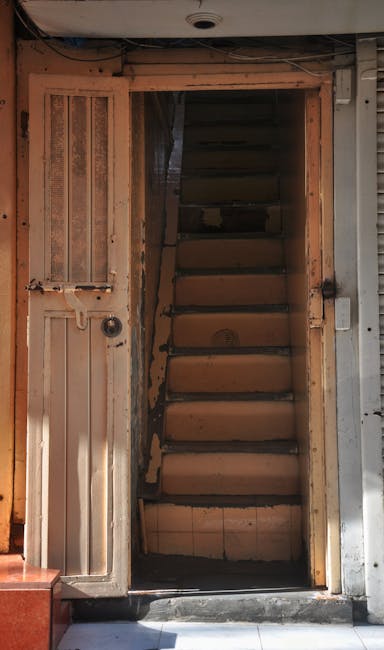
Victorian homes and conversions in SE17 often have staircase layouts that were designed for people, not for modern furniture, white goods, or modular wardrobes. The result is predictable enough: tight corners, low ceilings on the turn, steep steps, and old walls that mark easily. If you have ever tried to move a mattress up one of these stairs, you will know the strange mix of suspense and mild regret that follows.
It matters because the staircase is usually the bottleneck. You can pack beautifully, label every box, and organise the van with military precision, but if the stairs cannot safely take the item, the whole move slows down. Worse, trying to force the issue can cause damage to the property, the item, or the people carrying it.
In SE17, that problem often shows up in flats, maisonettes, older terraces, and split-level homes. It is especially relevant for people moving heavy furniture, student rooms full of awkward bits, and anyone trying to move quickly on a short London schedule. A narrow staircase changes the whole moving plan. Truth be told, that is where most of the real work happens.
If you are planning a flat move, it can help to read more about flat removals in Walworth and the wider guidance in the SE17 Burgess Park flats guide, because many of the same access issues come up there too.
How Dealing with Narrow Victorian Stairs in SE17 Moves Works
At its simplest, the process is about measuring, planning, protecting, and lifting in the right order. But in real life, there are a few moving parts. The staircase geometry matters, the size and shape of the item matters, and the route through the building matters just as much. A bulky wardrobe might technically fit if it is turned on its side, but if the landing is too tight for the rotation, you are stuck halfway and everyone is pretending not to panic.
The first thing to understand is that Victorian staircases often have one or more of these features:
- narrow tread width
- steep pitch
- tight turns or half-landings
- low ceilings near the stairwell
- old plaster or painted edges that mark easily
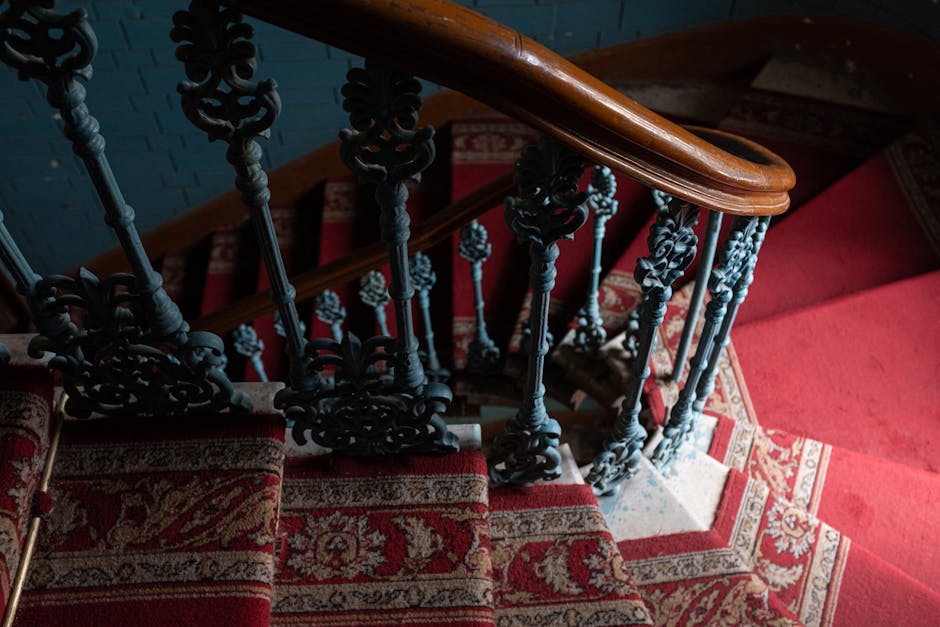
- banisters, handrails, or decorative trim that reduce usable width
Once the route is assessed, the next decision is whether items should be dismantled, wrapped, carried upright, tilted, or moved in sections. That is why professional removal planning often starts before the van arrives. You are not just moving objects. You are solving a shape puzzle with a bit of weight attached.
For larger furniture, a useful companion read is furniture removals in Walworth, while tips for easier bed and mattress moves is worth a look if the bedroom is up a particularly awkward flight.
In many SE17 properties, the safest method is to combine careful packing, pre-move decluttering, and a furniture-first plan. That means deciding in advance what will go up the stairs, what should go through windows or alternative access only if appropriate and safe, and what may be better sent to storage for now. If the staircase is the problem, the move needs to work around the staircase, not against it.
Key Benefits and Practical Advantages
Handling narrow Victorian stairs properly is not just about avoiding accidents. It can make the whole move smoother, quicker, and less costly in the long run. A lot of people think they are saving time by pushing on with a DIY lift. Often, the opposite happens.
Here are the main advantages of planning it properly:
- Less risk of damage: walls, bannisters, furniture corners, and door frames are protected more effectively.
- Safer lifting: fewer awkward twists, fewer rushed movements, and less chance of strain.
- Better timing: the team spends less time trial-and-erroring oversized items on the stairs.
- Smarter use of space: items are packed and loaded in a way that matches the access conditions.
- Lower stress: everyone knows the plan, which honestly makes a huge difference on moving day.
There is also a practical financial angle. Damage repairs, last-minute storage, extra labour, and delays can all add up. A careful access plan often prevents those hidden costs. Not glamorous, perhaps, but very real.
If you are still organising the move itself, the broader advice in how to elevate your moving experience beyond stress and the practical overview at services overview can help you understand how the moving day fits together.
Who This Is For and When It Makes Sense
This is relevant for anyone moving in or out of a period property with limited stair access, but a few groups feel it most keenly.
- Flat movers: especially those on upper floors or in converted houses.
- Families with bulky furniture: wardrobes, cot beds, sofa beds, and large appliances can all be problematic.
- Students: surprisingly, even a small room can contain a chair, desk, bed, and boxes that do not love narrow stairs. See student removals in Walworth for more on that kind of move.
- Office or studio users in older buildings: filing cabinets, IT gear, and desks can be awkward in tighter stairwells.
- Anyone moving on a tight timeline: same-day or short-notice jobs need better planning, not less.
It also makes sense if you are moving between nearby SE17 streets and think the journey will be easy because the distance is short. Short distance does not always mean simple. One awkward staircase can be the whole story. If that sounds familiar, you may also find this short-distance move guide useful.
As a rule of thumb, if you have any item that needs two people to carry, or if you are unsure whether it will turn the corner, plan for the stairs early. That is the sensible version. The expensive version is to discover it on moving day.
Step-by-Step Guidance
Here is a practical way to approach narrow Victorian stairs in SE17 moves without making the day harder than it needs to be.
- Measure the stairwell and the furniture. Check the width at the narrowest point, the depth of landings, the height at the turn, and the diagonal dimensions of large items.
- Identify the biggest problem items first. Sofas, mattresses, wardrobes, bookcases, desks, and white goods are usually the main suspects.
- Decide what should be dismantled. Remove legs, doors, shelves, handles, or headboards where possible. Sometimes a small adjustment makes a huge difference.
- Pack for the access route, not just the boxes. Keep boxes compact, balanced, and not overfilled. The best packing is boring in the nicest way.
- Protect the staircase. Use corner guards, covers, and floor protection where appropriate. Old stairs can mark very quickly.
- Assign roles before lifting. One person leads, one supports, and one watches the route. Nobody likes to admit it, but shouting instructions halfway up the stairs helps no one.
- Use the safest angle for the item. Furniture often needs to be tilted, rotated, or carried "end first" to clear the turn.
- Keep breaks short and purposeful. If a carry feels unstable, pause and reset. Do not improvise your way through a bad lift.
- Move the least forgiving items last. Things like mirrors, framed art, and heavy fragile furniture are often better dealt with after the route is clear.
For help with the lead-up to the move, how to declutter before a big move and the dos and don'ts of packing for a smooth move are both practical next steps. And yes, decluttering really does make narrow stairs easier. Fewer items means fewer opportunities for a mid-stair traffic jam.
Expert Tips for Better Results
These are the small details that often make the biggest difference.
- Check the staircase before you pack the van. The move starts at the building, not the kerb.
- Use blankets and shrink wrap carefully. Good protection should not add so much bulk that the item becomes harder to manoeuvre.
- Keep one landing clear. A clear landing gives you a safe reset point if the first attempt does not go to plan.
- Lift with the turn in mind. On Victorian stairs, the corner is usually the hardest part, not the straight run.
- Don't overpack boxes. A box that is too heavy is a staircase problem waiting to happen. There is no prize for the heaviest book box.
- Use furniture sliders on flat sections only. They are helpful in the right place, less so on steep steps.
- Think about the sequence of unloading. Put the awkward items in a sensible order so you are not moving a bulky wardrobe around three times.
A very common mistake is to assume the item's dimensions alone tell the full story. They do not. The shape, the grip points, the wrapping, and the stair turn all matter. A sofa with slim arms may be easier than a smaller but boxier cabinet. Weird, but true.
If you want to understand the handling side better, these pieces are useful too: conquering heavy lifting more safely and kinetic lifting and efficient handling.
Common Mistakes to Avoid
The same problems come up again and again with Victorian stair moves, and they are usually avoidable.
- Not measuring properly: guessing the width of a stairwell is how people end up reversing a sofa back downstairs.
- Forgetting the landing: a piece may fit on the stairs but fail at the turn.
- Trying to force large furniture upright: some items simply need to be angled differently or dismantled.
- Skipping protection: a narrow staircase with old paint and plaster marks very easily.
- Moving too quickly: speed and tight spaces are not natural friends.
- Ignoring the weight distribution: an item that feels fine on a level floor can become awkward when one end rises on steps.
- Leaving packing until the last minute: rushed boxes are often overfilled, badly taped, and harder to handle.
Another common issue is underestimating how tiring repeated stair carries can be. After the third or fourth trip, even a relatively small box starts to feel like it has been made of bricks. That is exactly when people rush, and that is exactly when accidents happen. A little patience goes a long way.
If you have stored items ahead of moving day, it may also be worth reading expert tips for long-term sofa storage and storage options in Walworth so bulky pieces are handled in a sensible order.
Tools, Resources and Recommendations
You do not need a warehouse full of kit to move well through narrow stairs. But the right tools matter.
| Tool or Resource | What It Helps With | Best Use Case |
|---|---|---|
| Furniture blankets | Protecting walls, stair edges, and furniture surfaces | Large items and tight stair turns |
| Straps or lifting aids | Improving control and reducing strain | Heavy or awkward items with two-person carries |
| Corner guards and floor covers | Reducing marks and scuffs | Old Victorian staircases and painted walls |
| Disassembly tools | Removing parts that block the route | Wardrobes, beds, tables, and modular furniture |
| Compact packing materials | Making boxes safer to carry on stairs | Books, crockery, and mixed household goods |
For packing materials, packing and boxes in Walworth is a sensible place to start. If you are moving to or from an older upper-floor property, a more general man and van service in Walworth may also suit smaller moves where access is the main challenge rather than volume alone.
For more complex or time-sensitive moves, it can be wise to compare a few approaches rather than assuming one option fits all. Some jobs need a full team, some need just the right van size, and some need temporary storage to break the move into manageable parts. Practical, not dramatic.
Law, Compliance, Standards, or Best Practice
There is no single rulebook that specifically covers every Victorian staircase in SE17, but there are still important UK moving best practices to keep in mind. The big one is simple: moves should be carried out with reasonable care for people, property, and access conditions.
In practice, that means using sensible manual handling methods, not overloading carriers, and avoiding unsafe lifts when a route is clearly too tight. For employers and professional movers, risk assessment and safe working methods are part of normal good practice. For household moves, the same thinking still applies, even if the paperwork is lighter.
It is also worth remembering that some buildings have shared hallways, fire exits, or communal areas that need to stay clear. In a flat or converted house, that can affect how items are staged before and after the stair carry. Quiet consideration of neighbours helps too. Nobody enjoys the sound of a wardrobe scraping the wall at 8am, to be fair.
Where safety and insurance are concerned, it is sensible to understand what is covered, how items are handled, and what the company's process is if something goes wrong. If you want to read more on that side, see insurance and safety and the health and safety policy. For background on the business itself, about us is also useful.
Best practice, in plain English, means this: assess first, lift second, and never treat a tight staircase as something to "just get through". It is part of the job, not a side issue.
Options, Methods, or Comparison Table
Different moves need different levels of support. Here is a straightforward comparison to help you decide what fits your situation.
| Approach | Best For | Pros | Watch Outs |
|---|---|---|---|
| DIY with friends | Very small moves, light furniture, easy access | Low upfront cost, flexible timing | Higher risk of mistakes, strain, and damage on narrow stairs |
| Man and van support | Smaller house or flat moves with some awkward items | More control, often better loading efficiency | May still need prep and disassembly for tight staircases |
| Full removal service | Heavier loads, multiple rooms, difficult access, tighter schedules | More complete planning, more handling support, less stress | Usually the most involved option, so the quote may reflect that |
| Split move with storage | When access is poor or timing is complicated | Reduces pressure on the staircase and the moving day | Requires extra coordination and temporary storage planning |
If you are unsure which route fits your move, compare the services carefully. The pages on man with a van in Walworth, removal services in Walworth, and removal companies in Walworth can help you think through the level of support you need.
Case Study or Real-World Example
Here is a realistic example based on the sort of job people often face in SE17. A couple moves out of a first-floor Victorian conversion near Burgess Park. The staircase has a sharp turn, a narrow upper landing, and a bannister that makes the usable width feel even smaller. They own a double mattress, a flat-pack wardrobe, a bookcase, a sofa, and the usual pile of boxes that always seems to multiply overnight.
At first, they assume the sofa will be the hardest item. In the end, the wardrobe is the real headache because the top panel catches at the turn. The solution is simple but not obvious in the moment: dismantle the wardrobe, wrap the parts individually, move the mattress first to clear space, and protect the wall at the corner before attempting the sofa. That change alone removes most of the stress.
What helped most was not brute force. It was sequence. They measured before moving day, sorted out the furniture that needed dismantling, and kept the landing clear. The move still took effort, obviously. But it stayed controlled. No one was breathless, no wall had a fresh gouge, and the job felt manageable instead of chaotic.
That is the core lesson with narrow Victorian stairs: the right order beats raw strength almost every time. And sometimes the difference between a tense move and a smooth one is just half an hour of planning over tea, which feels pleasantly unheroic but very sensible.
If the move involves a piano or especially delicate heavy item, it is worth looking at piano removals in Walworth and the risks of DIY versus professional piano moving. Those jobs are a different level of careful altogether.
Practical Checklist
Use this checklist before moving day. It is the kind of thing that looks basic until you realise it prevents half the problems.
- Measure the stair width at the narrowest point
- Measure the landing depth and turning space
- Check ceiling height at the stair turn
- Identify any bannisters, rails, or tight corners
- List all large items that may need dismantling
- Remove loose parts from furniture in advance
- Pack boxes to a manageable weight
- Label fragile and heavy boxes clearly
- Protect stairs, walls, and corners where needed
- Decide the loading order before the van arrives
- Keep access routes clear of clutter and footwear and random bits of tape
- Arrange help for the awkward or heavy items
- Set aside essentials you will need immediately after arrival
- Confirm parking and building access arrangements where relevant
One small but useful tip: keep your kettle, phone charger, and a couple of snacks separate. After a long stair carry, even a biscuit can feel like a minor miracle.
Get a free quote today and see how much you can save.
Conclusion
Dealing with narrow Victorian stairs in SE17 moves is really about respecting the building and planning around its quirks. Once you stop treating the staircase like an obstacle to rush past, the whole process becomes easier to manage. Measure properly, dismantle what you can, protect the property, and choose the right level of moving support for the job.
The good news is that these moves are completely manageable when handled with care. They just reward preparation more than brute force. That is the honest version. No magic trick, no dramatic shortcut, just a calmer plan and a steady pair of hands.
And if your move is one of those old-house jobs where every corner feels a bit tighter than expected, that is alright. It happens all the time in SE17. Take it step by step, and the stairs stop feeling like the enemy.