Road Closures & Parking Suspensions for Walworth Moves
Posted on 29/07/2026
Road Closures & Parking Suspensions for Walworth Moves
If you are moving in Walworth, the most stressful part is often not the lifting or packing. It is the access. A van can be ready, the boxes can be taped up, and the kettle can be packed last, but a sudden road closure or parking suspension can still throw the whole day sideways. That is exactly why Road Closures & Parking Suspensions for Walworth Moves deserve proper attention before moving day arrives.
In a busy SE17 setting, even a small change on the street can affect where the vehicle stops, how far the team has to carry furniture, and whether the move stays on schedule. This guide breaks down what these restrictions mean, how they affect removals, and what you can do to keep everything calm, legal, and efficient. Truth be told, a little planning here saves a lot of faff later.

Why Road Closures & Parking Suspensions for Walworth Moves Matters
Let's face it: moving day is already full of moving parts. Add a suspended bay, a temporary road closure, or a no-stopping zone, and the whole operation can become slower, pricier, and more stressful than it needed to be. In Walworth, where streets can be tight and parking is often limited even on a good day, these restrictions are not a side issue. They are one of the main things that determine whether a move runs smoothly.
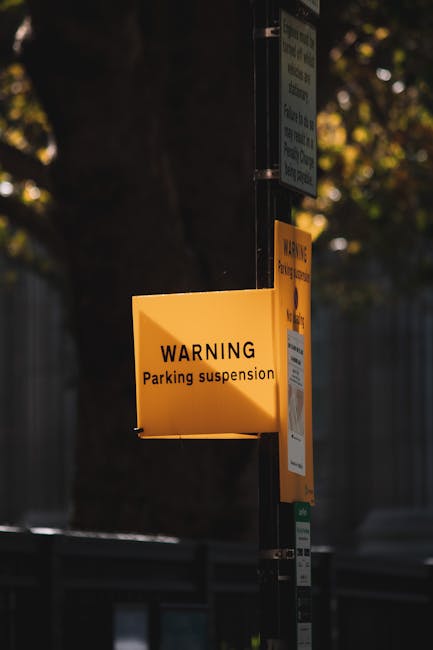
A parking suspension usually means a space that is normally available has been temporarily removed from use. That may be for utility works, construction, street maintenance, event logistics, or another local need. A road closure is more direct: access is restricted completely, or only limited access is allowed. For a removal team, that changes everything from vehicle positioning to loading time.
If your van cannot stop close to the property, the carry distance grows. A few extra metres might not sound like much, but when you are carrying wardrobes, mattresses, or boxes stacked awkwardly, it adds up. It also raises the chance of access charges, delays, and exhausted people by mid-afternoon. Nobody wants that halfway through a house move.
Walworth also has its own local movement patterns. Narrow residential streets, shared access points, estate roads, and busy main routes can all make parking more delicate than people expect. That is why experienced movers often treat parking planning as part of the move itself, not an admin task on the side. If you want more context on local access issues, the Walworth Road moving guide for narrow streets is a useful companion read.
Expert summary: In practical terms, the best move is rarely the one with the fanciest packing. It is the one where the vehicle can park legally, safely, and close enough to keep loading efficient.
How Road Closures & Parking Suspensions for Walworth Moves Works
These restrictions are usually announced in advance, though not always as clearly as people would like. A parking suspension might affect one bay, several spaces, or a whole stretch of road. A closure may be partial, timed, or full. The exact impact depends on the reason for the restriction and how long it lasts.
For a home move, the practical effect is simple. You need to check whether your removal van can legally stop where you planned. If not, you need an alternative loading point, a revised arrival time, or sometimes even a different vehicle size. That sounds obvious, but in the rush of moving week, obvious things can get missed. And yes, that is where the trouble starts.
In real-world terms, the process normally looks like this:
- Confirm the moving date and estimated arrival window.
- Check the street or bay near the property for any temporary restrictions.
- Decide whether the van can stop safely and legally.
- Plan a backup location if the nearest space is unavailable.
- Adjust the packing, staffing, or timing if the carry distance increases.
- Keep the household informed so no one is waiting at the wrong entrance.
This is especially important for flats, estate properties, and homes with awkward access. If you are dealing with upper-floor furniture or tight stairways as well, a guide like dealing with narrow Victorian stairs in SE17 moves can help you think through the whole access picture, not just the street outside.
One thing worth saying plainly: parking suspensions are not always a problem if they are planned around properly. Sometimes they just mean the van needs to park one street over and the team carries a little further. Other times they mean you need to book more time, more hands, or a different loading setup. Small decision, big difference.
Key Benefits and Practical Advantages
People often think of road restrictions as a hurdle only. Fair enough, they can be annoying. But if you handle them well, they also force a cleaner, better-organised move. There are some real benefits to getting this right.
- Less delay on the day: when parking is sorted in advance, the crew can start loading instead of circling the block.
- Lower risk of penalties or access issues: legal parking avoids awkward fines or disputes that can sour the day fast.
- Better safety: shorter carry routes reduce the chance of trips, dropped items, and rushed lifting.
- More accurate timing: once you know the van can park close enough, the schedule becomes more reliable.
- Less physical strain: especially helpful for bulky furniture, white goods, and awkward loads.
- Cleaner coordination with neighbours and building managers: fewer surprises at the kerb often means fewer complaints.
For local moves in Walworth, this can be the difference between a tidy, efficient morning and a day that feels like it is constantly catching up with itself. It also helps if you are using a smaller vehicle, because a tighter parking plan often sits better with a man and van service in Walworth or a larger removal team depending on what you are shifting.
If your move is part of a broader change, such as decluttering, storage, or staggered loading, parking planning becomes even more useful. A move that is split into two stages is easier to manage when the access window is clear from the start. That is one reason people who want a calmer relocation often look at how to elevate the moving experience beyond stress before the big day.
Who This Is For and When It Makes Sense
This matters for almost anyone moving in Walworth, but some people need it more urgently than others. If your move involves a busy street, a narrow access point, or timed loading restrictions, the answer is simple: you need a plan.
It is especially relevant if you are:
- moving from a flat where the loading point is not right outside the building;
- using a van on a road with limited or controlled parking;
- moving furniture from an estate road or internal access lane;
- coordinating with a landlord, managing agent, or building porter;
- booking a same-day move where timing is already tight;
- transporting larger items such as wardrobes, sofas, pianos, or appliances;
- trying to avoid disruption for neighbours or business premises.
Students moving in and out of shared homes often underestimate this. They focus on boxes and bin bags, then discover the van has nowhere to sit. If that sounds familiar, the student removals in Walworth page may be worth a look for a more straightforward moving setup.
It also makes sense for office relocations, which tend to have fixed handover times and less room for improvisation. A blocked bay outside the office at 8 a.m. can cause a surprising amount of friction, especially if people are waiting for desks, files, or IT equipment to move on a deadline. In those cases, a structured office removals Walworth approach is often the safer route.
Step-by-Step Guidance
If you want to keep the moving day under control, use a simple process. Nothing fancy. Just the basics done properly.
1. Check the street early
Start by looking at the exact loading area, not just the postcode. One side of a road can be fine while the other is suspended. That kind of detail catches people out constantly. It is a bit boring to check, yes, but it saves hassle.
2. Ask about any timed restrictions
Some closures only apply during certain hours. Others are in place for several days. Knowing the exact window helps you choose whether to move earlier, later, or on a different day altogether.
3. Match the vehicle to the access
There is no point booking a vehicle that cannot get close enough. A larger removal van is useful for volume, but a smaller vehicle can sometimes be more sensible in tight Walworth streets. A short walk with a trolley is better than a van stuck in the wrong place.
4. Prepare for longer carry distances
If parking is not available right outside, plan the carry route. Check for steps, door widths, low walls, and awkward corners. If you are moving heavy items, this matters more than people expect. For a deeper look at handling heavier pieces, this guide on heavy lifting is a practical read.
5. Protect the schedule with buffer time
Even when everything is planned well, roads can be busier than expected. Give yourself a little buffer. Not a dramatic amount. Just enough to stop the whole day from feeling panicked if the van arrives five or ten minutes off target.
6. Keep key items separate
When access is tricky, you do not want to be hunting for passports, chargers, snacks, or medications at the bottom of a box pile. Keep a separate essentials bag so you can deal with delays without losing your temper. Honestly, it helps more than people admit.
7. Confirm the back-up option
Have a fallback position if the planned bay is unavailable. Sometimes the answer is a side street. Sometimes it is a temporary wait. Sometimes it is a second load. The point is to decide before moving day, not while everybody is standing in the road with a sofa.
Expert Tips for Better Results
The best moving days usually look unremarkable from the outside. That is not luck. It is usually the result of a few small choices made early.
- Book access planning before packing gets chaotic. If the van parking question is left too late, everything else starts to wobble.
- Photograph the loading area. A quick photo can help you explain the site to movers, landlords, or building managers.
- Label heavy and awkward items clearly. That makes it easier to load them in the right order once the van is parked.
- Reduce clutter before moving day. Fewer items means fewer trips from the property to the van. That matters when access is limited. You may find this decluttering guide useful if your home is carrying a bit too much moving baggage, literally and otherwise.
- Keep neighbours in the loop. A quick heads-up can reduce complaints if a loading bay or entrance is busy for a short period.
- Choose packing that supports quick loading. Strong boxes, consistent labelling, and sensible stacking make a real difference when the van stop is temporary. The packing dos and don'ts article covers that nicely.
One useful local trick is to think in layers: street access first, building access second, item handling third. People often reverse that order and spend the day reacting to problems. Start with the road. It sounds basic, but it works.
If you are moving valuables or fragile family pieces, do not treat restricted access as a reason to rush. Better to slow the process than to force a bulky cabinet through a carry route that is clearly not helping. For delicate items, the article on transporting antiques safely from Walworth homes is especially relevant.
Common Mistakes to Avoid
A lot of moving problems come from a small set of avoidable mistakes. The good news? They are mostly easy to fix once you know what to look for.
- Assuming the usual parking space will be available. Temporary restrictions can appear with very little notice.
- Ignoring signage because the move is "only for a bit". That line of thinking often ends badly. Properly, it should end with a different plan.
- Not checking the exact loading side of the road. One curb can be fine; the other can be suspended.
- Booking a vehicle before confirming access. The vehicle should fit the street plan, not the other way round.
- Leaving it to moving day to sort building access. In flats and estates, that is asking for a scramble.
- Forgetting about access charges or time-based delays. If the team has to wait or carry much further, the move may take longer than expected. The page on avoiding access charges on Walworth Road removals explains why those costs can creep in.
A small mistake can snowball. A van that parks too far away means longer carries, slower loading, more fatigue, and greater risk of damage. It is a chain reaction, really. Not dramatic, just practical. And that is why the parking question deserves respect.
Tools, Resources and Recommendations
You do not need a stack of complicated tools to deal with road closures and parking suspensions. You need a clean process and a few sensible checks.
- Moving inventory list: helps you judge how long loading should take if the van cannot park right outside.
- Phone camera: useful for capturing loading points, signs, and entry routes.
- Written move plan: keeps everyone aligned on time, vehicle position, and backup arrangements.
- Floor plans or access notes: especially useful in flats, maisonettes, and office spaces.
- Boxes and packing labels: make it quicker to load in the right sequence. If you need more structure, have a look at packing and boxes in Walworth.
For service planning, the broader removal services overview can help you understand how different move types fit together. That is useful if you are deciding between a full house move, a smaller man-and-van job, or a more tailored setup.
If your move requires temporary holding space because parking, closure timings, or building access do not line up perfectly, storage in Walworth can provide a sensible buffer. It is not always necessary, but when it is, it removes a lot of pressure.
And for anyone comparing team support styles, there is a practical difference between a compact vehicle setup and a fuller service. A removal van in Walworth can be ideal for certain streets, while a more complete removals service may suit larger or more complicated moves. Choose the one that fits the access situation, not just the budget headline.
Law, Compliance, Standards, or Best Practice
When road closures and parking suspensions are involved, the main rule is straightforward: do not stop or load in a restricted space unless it is clearly permitted. Local parking and traffic restrictions are there for a reason, and ignoring them can create avoidable penalties or disruption. For moving purposes, the safest approach is to treat temporary signs as firm instructions, not suggestions.
Best practice in the moving industry is to confirm access before the vehicle is dispatched, not after it has arrived. That includes checking whether the property sits inside a controlled parking zone, whether the street is subject to temporary restrictions, and whether any loading exemptions or booked suspensions apply. If you are unsure, ask early rather than improvising on the pavement.
There is also a safety element. Manual handling should stay sensible, load weights should be planned with care, and carry routes should not place movers or residents at unnecessary risk. That is especially relevant in older buildings, narrow streets, or damp weather. A wet pavement at 7 a.m. is nobody's friend.
Good movers also follow clear internal procedures around insurance, lifting, and risk awareness. If that matters to you, take a look at the health and safety policy and the insurance and safety information. These are useful trust signals because they show the move is being handled with care, not guesswork.
For people wanting a calmer, cleaner transition, it also helps to align access planning with pre-move preparation. A proper pre-move clean, sensible packing, and staged loading all work together. Small details, but they matter.
Options, Methods, or Comparison Table
There is more than one way to manage a move when road access is restricted. The right choice depends on how bad the closure or suspension is, how much you are moving, and how close the vehicle can get.
| Approach | Best for | Advantages | Limitations |
|---|---|---|---|
| Park directly outside | Unrestricted streets with enough space | Fastest loading, shortest carry distance | Not always available in Walworth |
| Park nearby and use a short carry route | Temporary suspensions or limited loading space | Flexible, often practical on residential streets | Longer loading time, more handling effort |
| Use a smaller vehicle | Narrow roads or tight turning areas | Easier to position, less street pressure | May require more trips if the move is large |
| Split the move into stages | Large homes, limited access, or mixed storage needs | Reduces pressure on one day | Requires more coordination |
| Use temporary storage first | When access timing does not line up | Removes the need to rush | Extra step, possibly extra cost |
There is no single winner here. For a small flat move with light furniture, a nearby park-and-carry setup may be fine. For a full family move, a more structured plan or a larger support team is usually the better call. If you are weighing service types, the man with a van Walworth option can be practical for smaller moves, while house removals may suit bigger, more complex jobs.
Case Study or Real-World Example
Imagine a straightforward Friday move from a first-floor flat near Walworth Road. The tenants have packed well, the van is booked, and the plan is to stop just outside the building. Then, two days before move day, a parking suspension appears on the intended stretch of road.
Without a plan, the day would probably start with someone driving around looking for a space, while boxes sit stacked by the front door and everyone grows a bit tense. You can almost hear the sighs from the hallway.
With a plan, it looks different. The move is checked in advance, an alternative stopping point is identified, and the crew is briefed that the carry route will be longer. The heavier furniture is loaded first, the team keeps the walkway clear, and the essentials bags are kept separate. The job still takes a little more time, but it remains orderly. The difference is not magical. It is preparation.
That sort of scenario comes up often in local work, especially around tighter streets or short notice moves. The same logic applies when residents need quick turnaround support, which is why some households choose same-day removals in Walworth when time is tight only after checking access properly. Speed helps, but only if the street plan is sound.
Practical Checklist
Use this checklist before moving day. It is simple, but it catches a lot of problems before they grow teeth.
- Confirm the exact moving date and start time.
- Check whether any road closure or parking suspension affects the loading side.
- Note the closest legal stopping point for the van.
- Identify a backup space if the first choice is unavailable.
- Measure doors, stairs, and tricky turns if bulky furniture is involved.
- Separate essentials, valuables, and documents from the main load.
- Label heavy boxes clearly.
- Tell neighbours or building management if your move will affect access.
- Build in a little buffer time, just in case.
- Keep contact details and move notes handy on the day.
One small tip that saves a lot of shouting: keep the keys, move notes, and access instructions in your hand, not buried in a box. Sounds obvious. Happens all the time anyway.
Conclusion
Road closures and parking suspensions do not need to derail a Walworth move. They just need to be treated as part of the plan. Once you know where the vehicle can stop, how far the carry will be, and whether the street is restricted at certain times, the rest becomes much easier to manage.
The real win is not just avoiding fines or delays. It is creating a move that feels composed. Fewer surprises. Less lifting pressure. Better timing. And a lot less standing in the road wondering what on earth happens next.
If you are preparing a move in Walworth, start with access, then build the rest of the day around it. That simple habit can save energy, money, and a fair amount of stress. And honestly, on moving day, that is worth a lot.
Get a free quote today and see how much you can save.