Transporting Antiques Safely from Walworth Homes
Posted on 18/06/2026
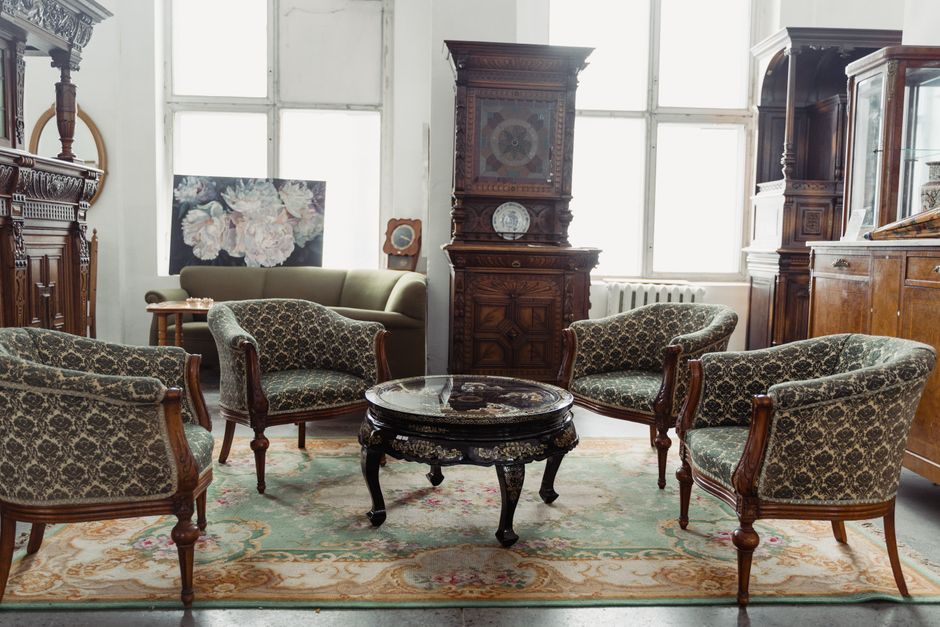
If you have ever stood in a hallway in Walworth, looking at a family cabinet, an old mirror, or a chair that has survived three generations, you will know the feeling: one wrong bump and the whole move suddenly feels very serious. Transporting antiques safely from Walworth homes is not just about getting items from A to B. It is about protecting value, history, and the little details that make a piece what it is. In a place where many homes have tight staircases, awkward corners, and busy street access, careful planning matters more than most people expect.
This guide walks you through the process in plain English. You will learn how to prepare antiques, how to pack them properly, what to do on moving day, and when it makes sense to call in specialists. Along the way, we will also look at common mistakes, useful tools, and a few local realities that matter in Walworth, especially in older properties and flats where access can be a bit of a puzzle.
Why transporting antiques safely from Walworth homes matters
Antiques are different from ordinary furniture. They can be fragile in ways you cannot always see. Veneer may lift with pressure, joints may have weakened over time, and finishes can react badly to moisture, dust, or sudden temperature changes. Even a piece that looks sturdy can have hidden vulnerabilities. That is why careful handling is not a luxury; it is the baseline.
There is also the emotional side. Many antiques are not only valuable in market terms. They carry memories. A dining table may be where family gathered every Sunday. A clock may be the last thing left from a grandparent's house. Once damaged, those things are not really replaceable. Let's face it, that is the part that hurts most.
Walworth itself adds another layer. Older terraces, converted flats, compact stairwells, and on-street loading all influence how a move should be planned. Short distance does not mean simple. A move across SE17 can still involve narrow entrances, awkward parking, and a lot of careful lifting. If you want a broader sense of how local access can change the plan, it can help to look at a Walworth Road moving guide for narrow streets and smart planning or a guide to dealing with narrow Victorian stairs in SE17 moves.
In other words, the move needs to respect both the object and the building. That is the heart of it.
How transporting antiques safely from Walworth homes works
The safest antique move usually follows a simple pattern: assess, prepare, protect, load, secure, transport, unload, and check. Each stage matters. Skip one, and you create risk somewhere else.
First comes assessment. You look at each item and ask basic questions. Is it solid wood or veneered? Does it have glass? Are there loose drawers, decorative carvings, or detachable legs? Has it been restored recently? These details determine the right wrapping and handling method.
Next is preparation. That means removing loose parts, emptying drawers, photographing the item, and noting any pre-existing marks. This is not fussy. It is sensible. If a scratch is already there, you want to know that before it is moved, not after.
Then comes wrapping and cushioning. For many antiques, a soft first layer matters more than brute force. Acid-free tissue, clean paper, furniture blankets, corner protection, and carefully placed tape all help. The main aim is to prevent rubbing, compression, and impact.
Loading is where people often underestimate the job. Heavy antiques do not just need strength. They need balance. A chest of drawers can shift in a van if it is not secured properly. A mirror can crack if it is placed where vibration hits it directly. Good loading uses the shape of the item, the van layout, and the route through the property. A well-planned move is a quiet move. You hear less thudding, less shuffling, fewer small disasters.
If the item is especially awkward or heavy, professional handling tools and lifting methods can make a real difference. For a useful read on safe handling techniques, see kinetic lifting and efficient handling or practical advice for heavy lifting alone.
Finally, there is the post-move check. Once the item is delivered, unpacking should be slow and deliberate. Check for movement damage, moisture transfer, or loose joints. Take the wrapping off in stages. Rushing this part is a classic mistake, and a silly one really, because the hard work has already been done.
Key benefits and practical advantages
Transporting antiques properly gives you more than peace of mind. It improves the quality of the entire move.
- Less risk of structural damage: Proper padding and support help protect joints, veneer, inlays, and delicate edges.
- Better preservation of finishes: Antiques often have surfaces that mark easily. The right wrapping reduces scuffs and pressure marks.
- More control during access challenges: Tight hallways, awkward stairs, and narrow doorframes are easier to manage with a proper plan.
- Lower chance of emotional regret: There is real comfort in knowing that a cherished item was treated with care.
- Cleaner unpacking process: Good packing also keeps dust, grit, and damp away from surfaces.
- Fewer delays on moving day: When items are prepared in advance, loading becomes smoother and quicker.
There is a commercial side too. If you are comparing options, antiques can justify specialist handling because the cost of repair, restoration, or replacement may be much higher than the cost of careful transport. It is not about over-spending. It is about spending sensibly where the risk is real.
For many households, the benefit is simply confidence. You know which item needs extra attention. You know which box cannot be stacked. You know who is carrying what. That clarity removes a lot of stress, and stress is often what causes mistakes.
A good move can also help if you are combining antiques with other furniture. If you are planning broader household relocation, this sits naturally alongside furniture removals in Walworth and the wider advice in the dos and don'ts of packing for a smooth move.
Who this is for and when it makes sense
This approach is useful for a few different types of people. Some are obvious, some less so.
- Households with inherited furniture, mirrors, or ornaments
- Owners of period pieces who want to avoid preventable wear
- People moving from Victorian or converted properties in Walworth
- Anyone moving valuable display items, cabinets, or collector pieces
- Landlords or executors handling a property with mixed contents
- Families combining antiques with a standard home move
It makes sense when the item is awkward, irreplaceable, sentimental, or simply too fragile for a casual move. You do not need a museum-level collection for careful handling to matter. A delicate sideboard from the 1930s can be just as troublesome as a more formal antique chest if it has loose joints or a brittle finish.
There is also a practical tipping point. If the item is too large for one person to manage safely, or if the staircase is too tight to allow a controlled turn, then a DIY attempt becomes a false economy. It may feel cheaper until the first scrape, crack, or strained back. That bit does not get cheaper at all.
For especially challenging homes, local logistics matter too. If you are in a flat, a stair-heavy property, or dealing with restricted access, articles like moving in SE17 Burgess Park flats and an Aylesbury Estate removals checklist can help you think through the building side of the move.
Step-by-step guidance
If you want a simple route through the process, follow these steps in order. They are not glamorous, but they work.
- List every antique item. Write down size, material, condition, and whether it comes apart.
- Photograph each item. Take clear pictures of all sides, plus close-ups of existing marks.
- Remove loose parts. Take out drawers, shelves, removable legs, and fragile fixtures where appropriate.
- Wrap the item properly. Use a first soft layer, then padding, then a protective outer layer.
- Protect corners and edges. These are usually the first points to get damaged.
- Prepare the route. Check doors, hallways, stairs, and parking. Move obstacles out of the way.
- Label everything clearly. Mark what is fragile, which side should stay upright, and where each item belongs.
- Load with care. Keep heavy pieces upright and secure them so they cannot slide.
- Unload slowly. Do not cut corners just because the van has arrived and everybody is tired.
- Inspect before storing or placing. Check for movement damage, loose fittings, or moisture.
A helpful extra step is to plan the antique move before the rest of the house move. That sounds like a small detail, but it changes everything. When antiques are handled first, the team can work with more focus and fewer distractions. It is one less thing to juggle in an already noisy day.
If your move includes multiple categories of items, the packing logic from how to declutter before a big move can also help. Clear the space first, then pack the delicate pieces. Much easier.
Expert tips for better results
Here are the things that make the biggest difference in the real world, especially when the item is old, awkward, or valuable.
Use the right wrapping order
Start soft, finish strong. A gentle inner layer protects the surface, while a sturdier outer layer protects from impact. Do not wrap antique wood directly in coarse materials. It sounds fine in theory, but it can mark the finish faster than you expect.
Keep antiques away from damp and heat
Moisture can swell timber and affect old adhesives. Heat can cause finishes to soften or materials to dry out unevenly. If items need to sit in storage before placement, make sure the environment is clean and dry. For long-term holding, this kind of planning pairs well with storage in Walworth and, where relevant, long-term storage advice for furniture.
Label beyond "fragile"
"Fragile" is fine, but it is not enough by itself. Add instructions such as "this side up," "glass panel," "lift from base," or "do not stack." Simple labels save time and reduce assumptions. Assumptions are where things go a bit wrong, usually in a hurry.
Never drag old furniture across floors
That one is worth saying plainly. Dragging can crack feet, loosen joints, and damage flooring too. Lift, glide, or use the right equipment. Do not drag.
Protect the route, not just the item
Door frames, bannisters, corners, and floors need protection too. Moving blankets and corner guards can save walls from chips and the item from hard knocks. The property matters. People forget that sometimes.
Build in extra time
Antique transport takes longer than moving standard furniture. That is normal. If you are rushed, mistakes creep in. Building in time for careful handling is one of the simplest ways to protect the outcome.
Choose the right level of help
Some pieces need only careful packing. Others need a second pair of hands and specialist handling. If your piece has glass, carved detail, loose joints, or an unusual shape, a professional moving team is usually the safer call.
And yes, if the move is feeling a bit overwhelming, that is completely normal. A careful approach is not overthinking. It is just respect for the item, really.
![A black, textured cardboard box with a cracked and peeling surface, situated on a wooden floor inside a property during a house relocation. The box has the words 'SAME HOME' written in orange or brownish ink or marker on its top surface. To the left of the box, there is a small, round tag attached with a string, possibly indicating contents or used for identification. The background includes part of a dark-colored floor and some indistinct objects, suggesting a moving or packing process. The scene is lit with soft, natural light, and the box appears to be part of the packing materials used by [COMPANY_NAME], Man with Van Walworth, during furniture transport or home relocation activities, emphasizing careful handling and organized packing in the moving process.](/pub/blogphoto/transporting-antiques-safely-from-walworth-homes2.jpg)
Common mistakes to avoid
Most antique damage during moving comes from a few repeat errors. Once you know them, they are easy enough to avoid.
- Packing too tightly: Compression can be as damaging as impact.
- Using the wrong materials: Cheap plastic wrap, rough blankets, or sticky tape on finished surfaces can cause issues.
- Leaving drawers full: Extra weight inside the item increases strain and movement.
- Forgetting to measure: A piece that will not fit through a doorway becomes a removal problem fast.
- Not securing loose parts: Handles, lids, glass inserts, and shelf components need their own attention.
- Rushing corners and stairs: Most knocks happen during turning points, not on the open path.
- Stacking heavy items on top: Pressure damage can be invisible at first, then show later.
- Skipping documentation: Without photos, it is harder to understand what changed and when.
Another common mistake is assuming the piece is light, therefore easy. Light items can still be awkward, tall, top-heavy, or unstable. A glass cabinet that feels manageable in one room can become a liability on a staircase. It is not the weight alone that matters.
For homes with many belongings, some decluttering first often helps. It frees up space, improves access, and reduces the chance of bumping things on the way out. That is why a simple read on decluttering before a move can be surprisingly useful before handling antiques.
Tools, resources and recommendations
You do not need a warehouse full of equipment, but the right basics make a huge difference.
| Tool or material | What it helps with | When to use it |
|---|---|---|
| Moving blankets | Surface protection and cushioning | For wood, painted finishes, and large items |
| Acid-free tissue or clean paper | Gentle wrapping for sensitive surfaces | For decorative pieces, frames, and finishes |
| Corner guards | Impact protection on sharp edges | For tables, mirrors, and cabinets |
| Straps and tie-downs | Keeping items secure in the van | During transport and cornering |
| Furniture dollies | Safer movement over flat ground | For heavy pieces with stable bases |
| Gloves with grip | Better hold and less slipping | During lifting and carrying |
| Labels and markers | Clear handling instructions | Before loading begins |
For packing materials, a dedicated local option such as packing and boxes in Walworth is useful if you want the right sizes rather than guesswork. That matters more than people think. A box that is too large invites movement; one that is too small creates pressure points.
For broader move planning, the article on making the moving experience less stressful is a good companion piece. It helps you think about timing, sequencing, and mental load, which, oddly enough, often affects physical safety too.
Law, compliance, standards and best practice
When antiques are being moved, the main compliance concern is usually not a single special antique law. It is a combination of ordinary moving best practice, general safety duties, insurance awareness, and careful handling expectations. In the UK, people moving their own belongings still need to think sensibly about lifting safety, access, and risk. If a removal company is involved, it should also operate with appropriate care, clear terms, and suitable insurance arrangements.
From a practical standpoint, you want to know three things. First, who is responsible for packing. Second, whether the move is covered if something goes wrong. Third, how fragile or high-value items should be declared in advance. Those questions sound basic, but they matter a lot.
Good operators usually set out expectations clearly and work in line with their own health and safety procedures. If you are comparing providers, it is sensible to look at health and safety commitments and insurance and safety information before you hand over anything valuable.
Best practice also means honest communication. If a cabinet has a loose leg, say so. If the mirror frame is already cracked, say so. If access involves a very narrow stairwell, say so. The more accurate the information, the less chance there is of a misunderstanding on the day.
There is one more thing. If antiques need temporary holding, make sure any storage option keeps them upright, dry, and separated so they do not rub or settle under pressure. That is where secure storage in Walworth can be a practical part of the plan, rather than an afterthought.
Options, methods and comparison table
There is no single best way to move antiques. The right method depends on value, fragility, access, and time. Here is a straightforward comparison.
| Method | Best for | Pros | Cons |
|---|---|---|---|
| DIY with friends | Smaller, less fragile pieces | Lower cost, flexible timing | Higher risk, less experience, more strain |
| Standard van move with careful packing | Moderately fragile antiques | Practical, efficient, cost-aware | Needs good planning and the right materials |
| Specialist moving support | High-value, large, or delicate items | More control, better handling, reduced risk | Usually more expensive |
| Temporary storage then staged delivery | Complex moves or delayed access | Flexible and safer for timing issues | Extra coordination required |
In many Walworth homes, the deciding factor is access. A piece that might be easy in a ground-floor house can become tricky in a top-floor flat with a tight turn. In those cases, specialist handling often pays for itself in saved damage and saved time. Not always, but often enough.
If you are comparing broader moving help, the service page for removal services in Walworth gives a useful overview, while man and van support in Walworth can suit smaller, carefully planned moves. For more comprehensive jobs, removals in Walworth may be the better fit.
Case study or real-world example
Imagine a Walworth household moving from a first-floor Victorian flat. They have a carved sideboard, a tall mirror, two framed prints, and a small writing desk with one stubborn drawer. Nothing enormous. Nothing reckless. But all of it has age, and all of it has character.
The first mistake would be treating the move like ordinary furniture. Instead, the better approach is to measure every access point first. The stairwell turn is tight. The front hallway is narrow. The sideboard will not angle through without tilting, so its removable pieces need to come out before lifting begins.
They photograph the items, label the parts, and wrap the mirror separately in layers of soft protection. The drawer is taken out and packed beside the desk so the frame does not rattle. Two people carry the sideboard with a third guiding the turn at the landing. Slow. Careful. Slightly awkward, to be fair, but controlled.
On arrival, the sideboard goes into position before the other boxes arrive, because it needs space to be handled safely. The mirror is unwrapped last, after the room is clear. No scratches. No wobbles. And the best part? No one is left muttering about a corner chip that "must have happened later."
That is the real lesson. Antique transport is often about sequence, not force. Do the right things in the right order and the whole job becomes calmer. A bit more ceremonial, even. Which is probably what a good antique deserves.
Practical checklist
Use this checklist before moving day. It keeps the process grounded.
- Identify each antique and note its condition.
- Measure the item and the access route.
- Photograph all sides and any existing damage.
- Remove loose parts, drawers, and shelves where appropriate.
- Gather blankets, tissue, padding, tape, labels, and straps.
- Protect corners, glass, carvings, and handles.
- Confirm parking, access, and loading space.
- Clear hallways, stairwells, and doorways.
- Decide which items need extra hands or specialist support.
- Plan where each piece will go at the destination.
- Inspect items after unloading before removing all wrapping.
- Keep paperwork, photos, and notes together in one place.
If your move is already feeling tight on time, a service geared to same-day removals in Walworth may help, although antiques still need the same care either way. Urgency never cancels physics, unfortunately.
And if your move is part of a bigger life change, a quick read on elevating the moving experience beyond stress can be a useful reset before the big day.
Conclusion
Transporting antiques safely from Walworth homes is really about respect: respect for the item, respect for the building, and respect for the fact that old things are often more delicate than they look. With the right preparation, the move becomes less about worry and more about steady, careful progress.
Whether you are moving a single heirloom chair or several cherished pieces, the basics stay the same. Measure first. Pack properly. Protect the route. Load carefully. And do not rush the final check. Small steps, done properly, are what keep antiques safe.
For many households, the calmest move is the one that is planned with a little extra thought. That thought is worth it. Honestly, it usually is.
Get a free quote today and see how much you can save.
And if you are still weighing up the best way to handle a delicate move, take your time, compare your options, and choose the approach that gives your antiques the care they deserve. That quiet bit of caution can make all the difference.